Step 1
Teachers and students get started
Teachers set up their accounts and connect with their students. Students complete their profiles, sharing their interests and learning preferences to help personalise project suggestions.

For the classroom · Ages 8–18
Help students explore demanding projects within your subject, matched to their working level and interests. Keep their learning moving while you guide progress.
Practical differentiation through project-based learning (PBL)
The Limitless PBL Platform is a project-based learning platform for advanced learners, with curriculum-connected projects students plan, research and complete over several weeks. It helps educators differentiate for advanced students without preparing a separate lesson. Students work independently on meaningful projects while teachers guide their thinking and progress.
For students aged 8–18 in schools following national or international curricula, with options for different languages.
The problem
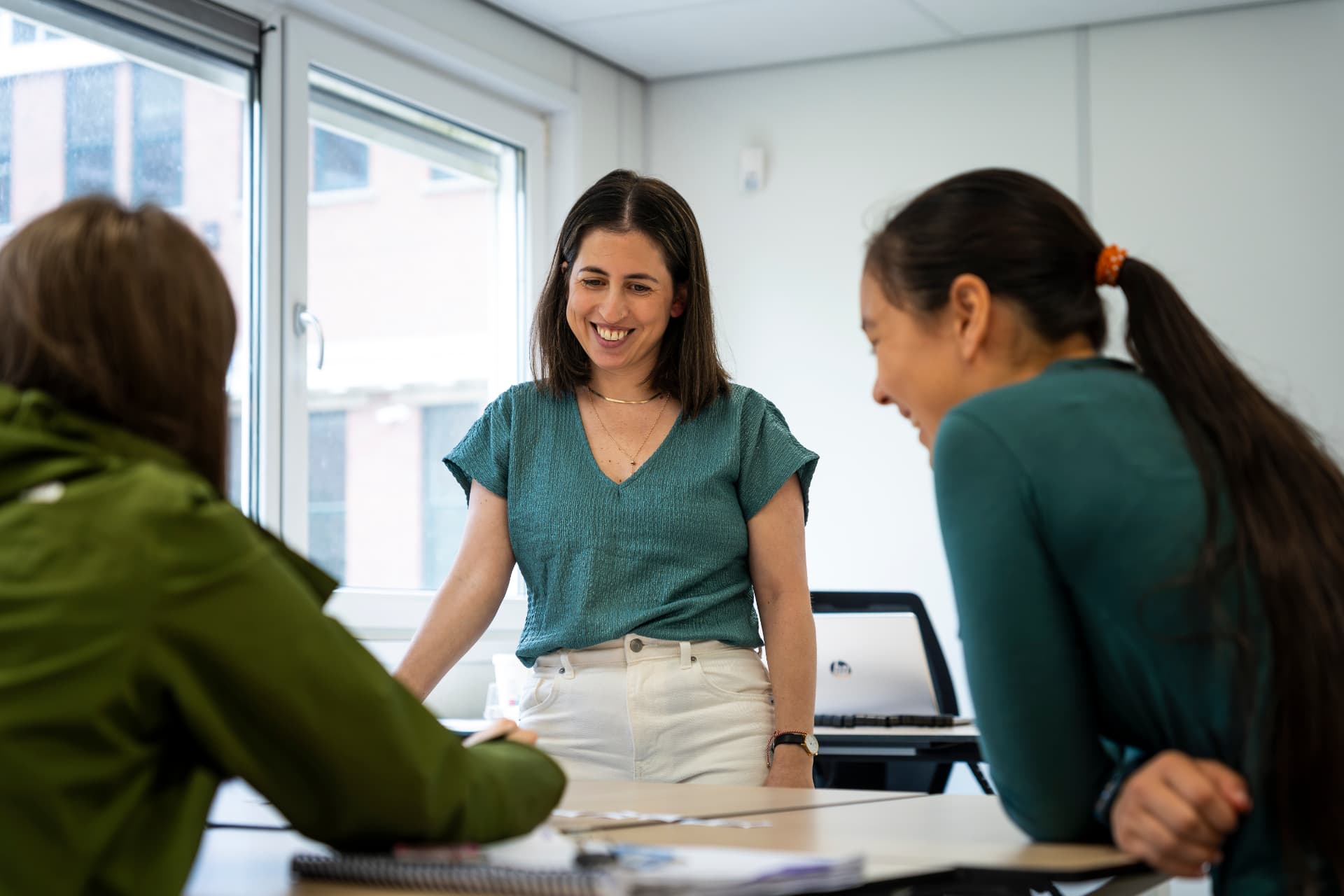
You are explaining something to the class, supporting a student who is struggling, checking work, and another student is already finished.
They need more challenge, but creating a meaningful extension takes time. So the quickest solutions are often the only realistic ones: another worksheet, silent reading, helping a classmate, or waiting until everyone else catches up.
Some start distracting others. Some switch off. Others simply learn to work more slowly, because finishing early means being given more work.
This pattern is so familiar that we wrote an article about it: Why would I finish early if it only means more work?
Meaningful differentiation should not require planning another lesson for every student who is ready for more.
Why this matters
When students already understand the lesson, they need a challenge that takes their learning further. Project-based learning gives them room to investigate complex questions, connect subjects and create something they care about—at a level that stretches their thinking. They have to make decisions, test ideas, rethink what isn’t working and keep going beyond the first answer. These are opportunities to develop independence and persistence that familiar tasks may never demand. Turn “I’m finished” into “What else could I discover?
How it works
Step 1
Teachers set up their accounts and connect with their students. Students complete their profiles, sharing their interests and learning preferences to help personalise project suggestions.
Step 2
Choose the subject, unit, learning goals, project criteria and deadline. Set the student's current working level so suggested ideas offer appropriate challenge. Add resources and interdisciplinary connections where relevant.
Option A
The platform generates project ideas based on the teacher's requirements and the student's working level and interests. The teacher selects options to offer, and the student chooses the idea they want to develop.
Option B
The student can start with their own idea or use the platform to explore possible projects based on their interests. Their chosen project must fit the teacher's subject, unit and requirements. This route is available when the teacher allows it.
Step 3
Students define their question, intended outcome and next steps, then submit their plan for teacher review, feedback and approval.
Step 4
Students complete weekly check-ins on progress, obstacles and next steps. Teachers monitor their work and provide feedback.
Step 5
Students reflect on their learning and how their thinking developed. Teachers assess the project against the original criteria and provide feedback.
THE PLATFORM'S UNIQUE FEATURES
Set the level the student currently works at, including above their year group, to generate ideas that build on what they already understand.
Use interdisciplinary connections to help students apply knowledge, explore different perspectives and tackle more complex questions.
Suggestions also draw on the student’s profile, making space for personal curiosity within your learning goals.
The Share Board lets students share completed projects and discover what others have created.
OUTCOMES
Hear from students who were used to switching off now begin to choose the harder question, persist, and take ownership of their projects.
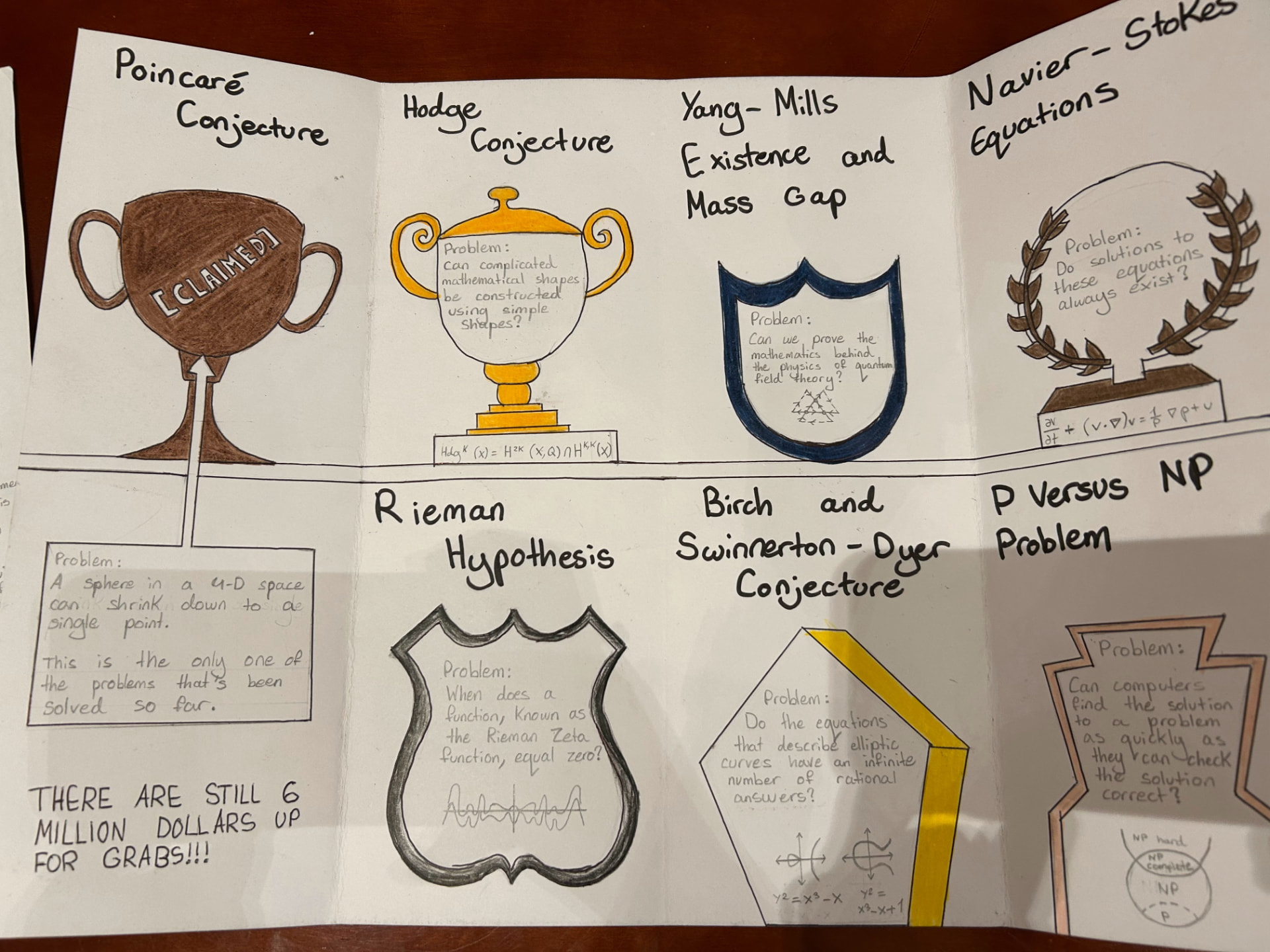
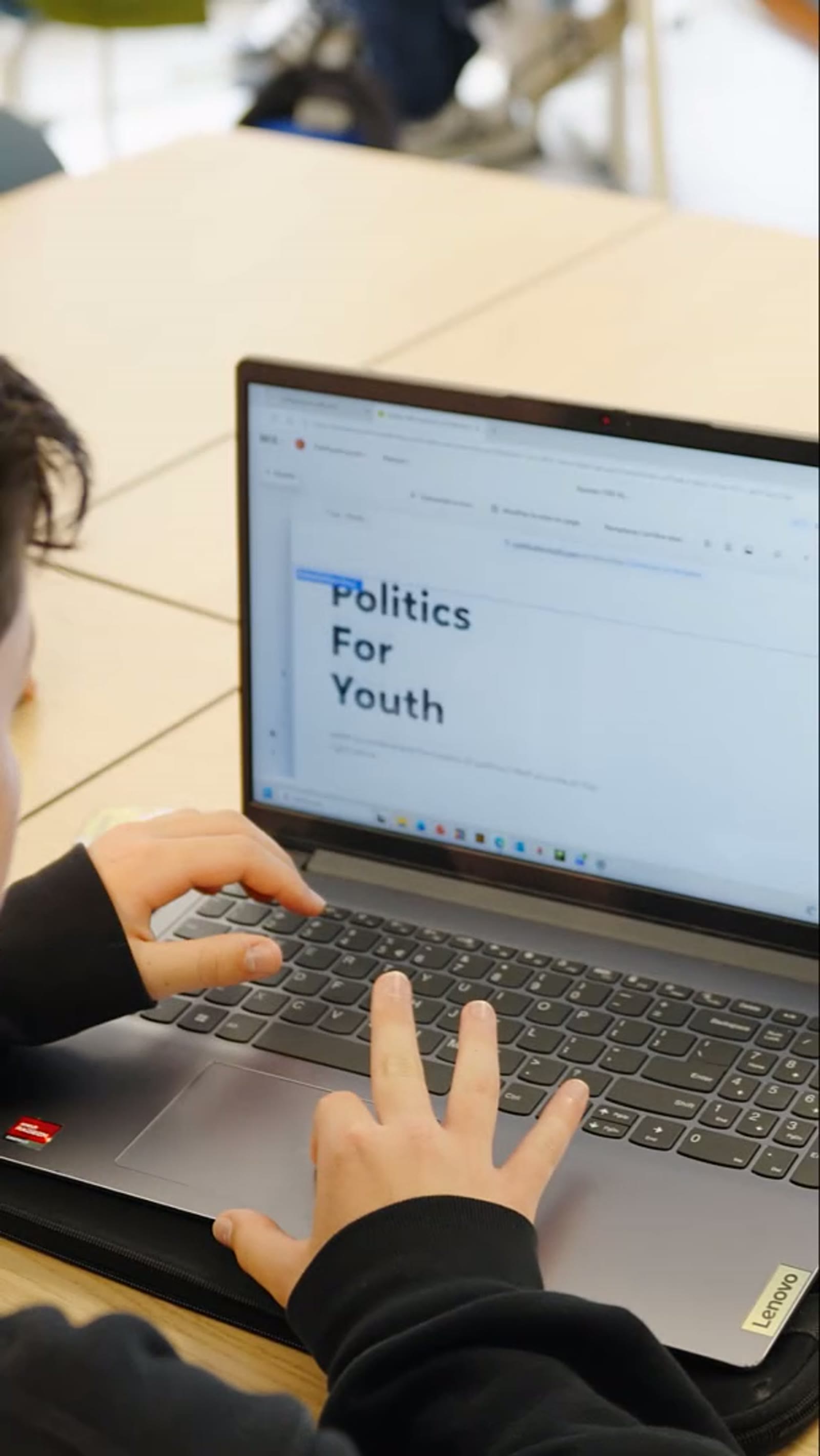
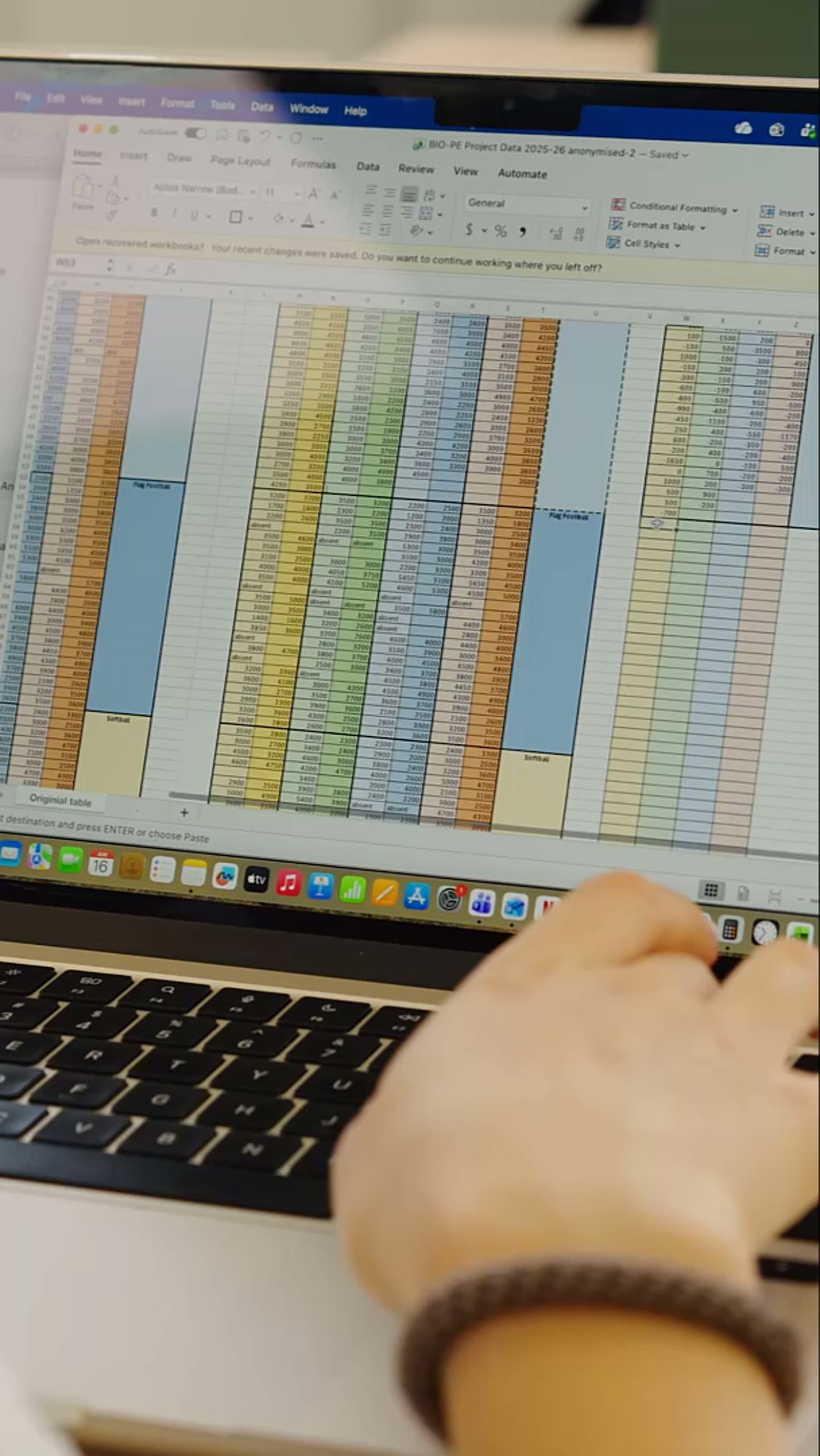
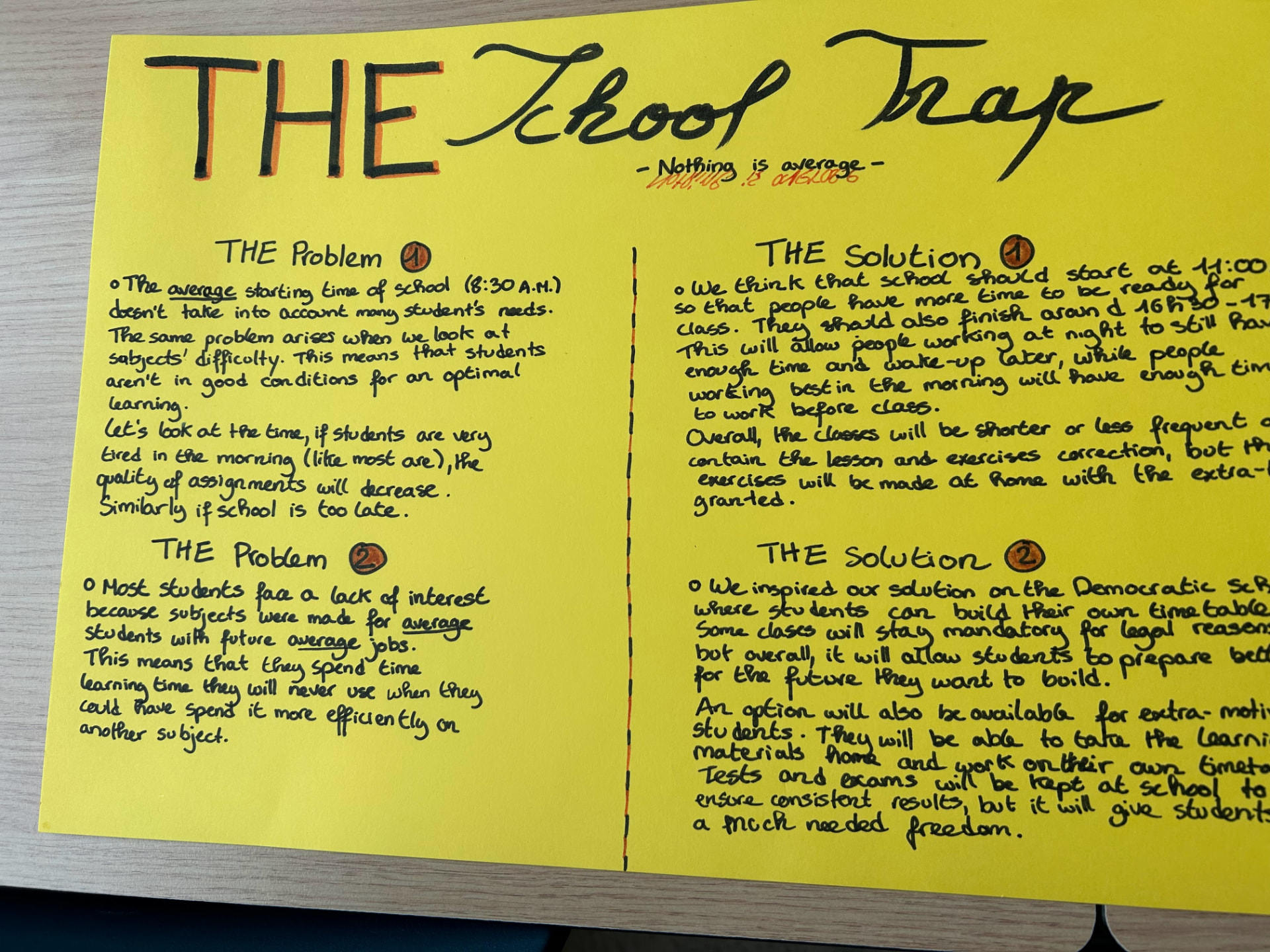
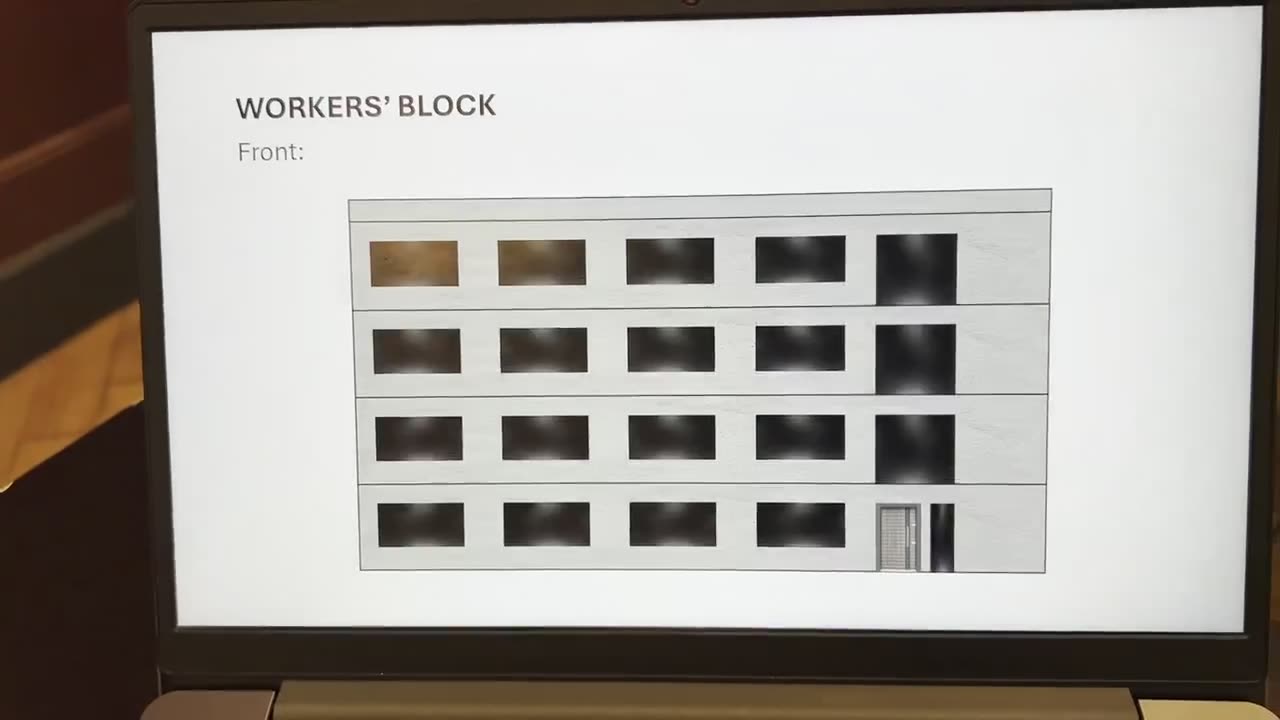
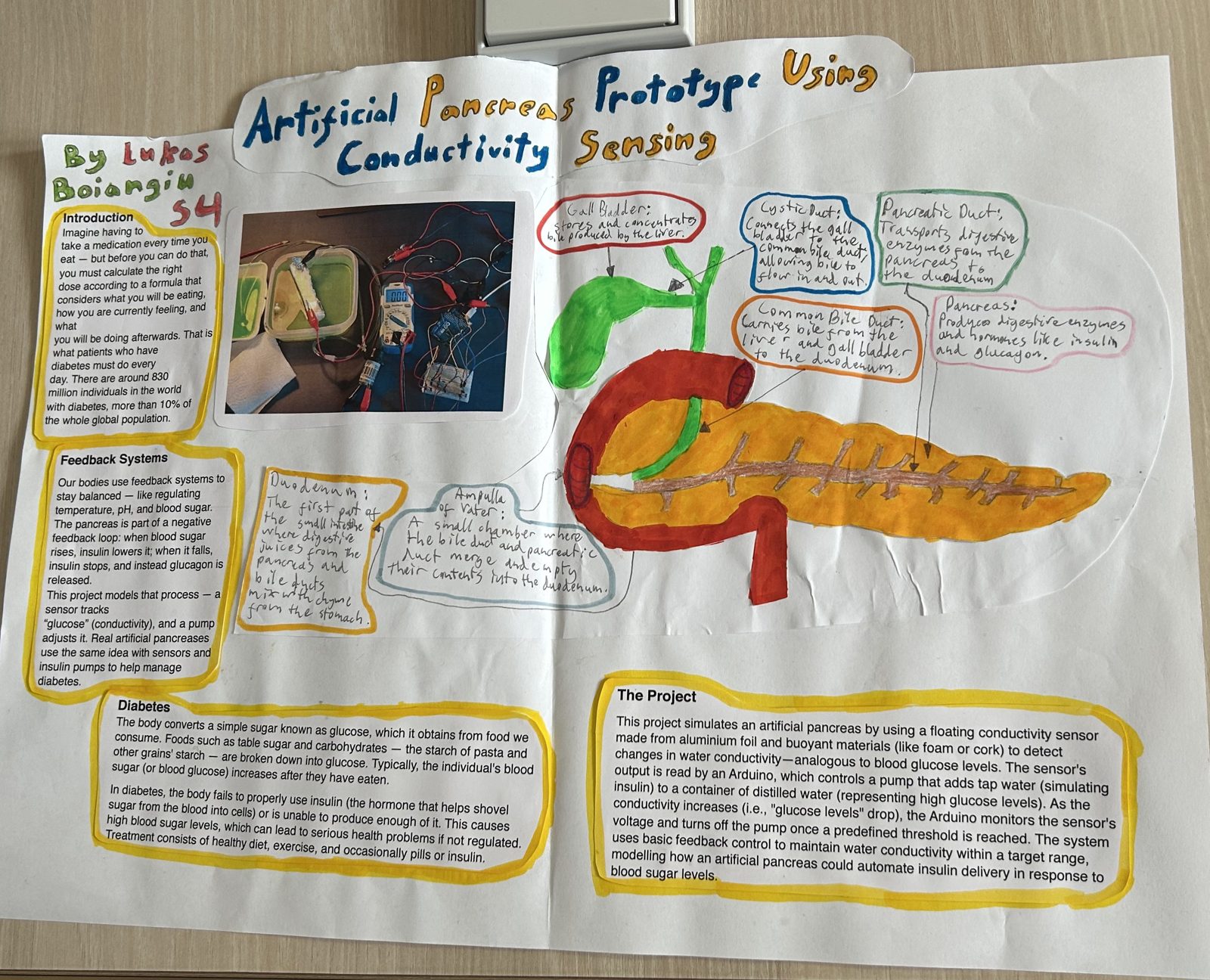
A selection of projects students have created with the platform.

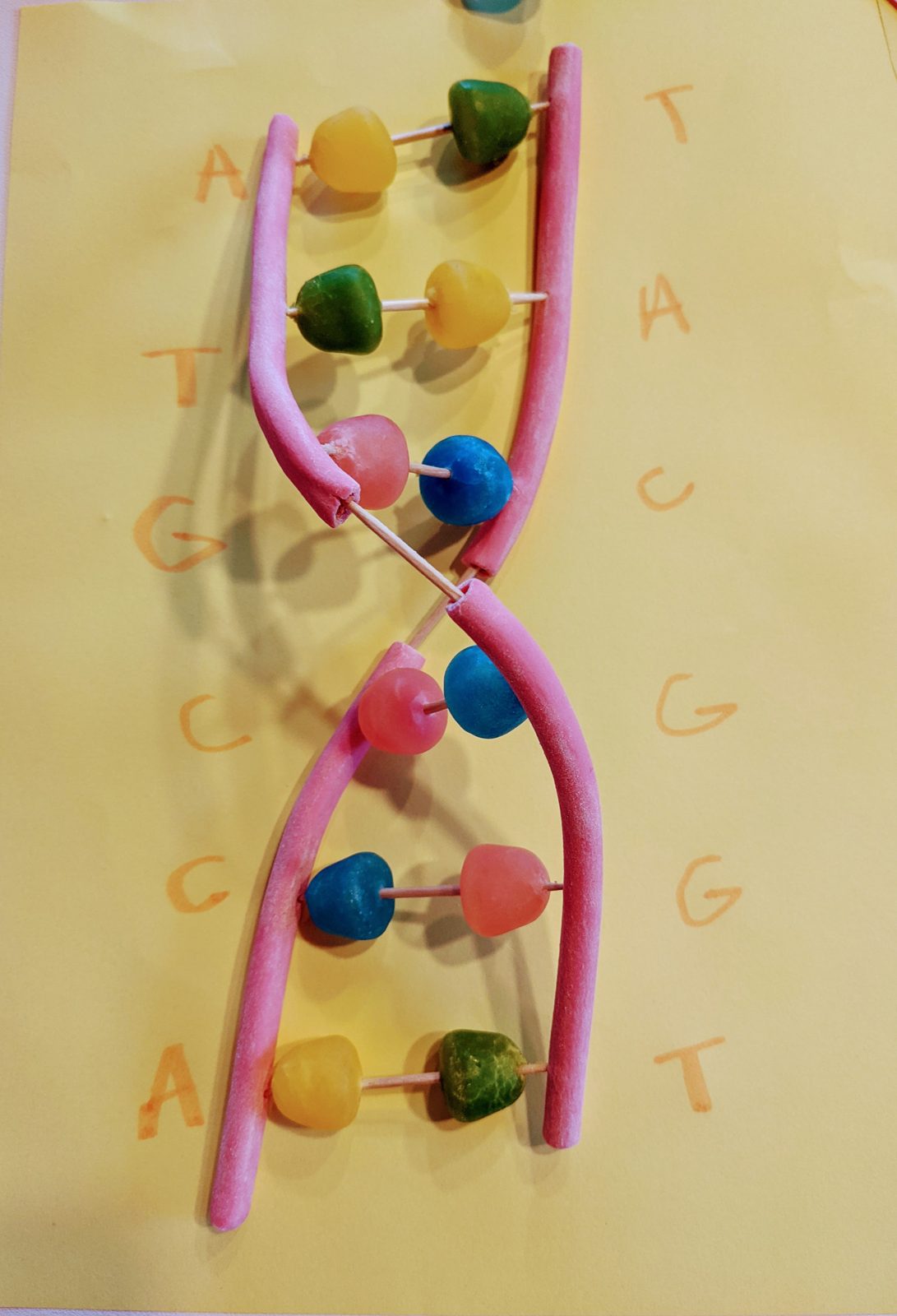
Skills the project builds
Meaningful challenge gives students opportunities to practise how they learn—not only what they know.
A meaningful project
Planning Organisation Time management
Research Critical and creative thinking Problem-solving
Using feedback Reflection Recognising progress
Students learn to recognise the difference between useful stretch and feeling overwhelmed.
When a project becomes too much, they can narrow the next step, use the help features to work through the difficulty, or ask their teacher appropriately. The student remains responsible for the thinking and the final work.
One example: IB schools
Give students meaningful opportunities to practise ATL skills within subject learning, and give teachers concrete work to discuss and review.
Students turn an ambitious idea into manageable tasks and adjust their plans when obstacles arise.
Students investigate a question, judge the usefulness of sources and use evidence to support their conclusions.
Students compare possibilities, make connections across subjects and justify their decisions.
Students explain their ideas, respond to teacher feedback and communicate their findings through a chosen final product.
Questions teachers ask
Pricing
Your licence covers 12 months, with pricing based on your school’s total student enrolment.
No online payment is required: we send your school an official quote.
Book a free platform demo, or a short information meeting to talk through how it could work in your school.